
N is for Knowledge
The anti COP – Nebraska version

I’m writing this in the Cobblestone Inn in Holdrege, Nebraska after a day at a regenerative agriculture meeting I paid $29 to attend. A $7 proseco may have been involved. I’ve driven 5 hours here from Colorado, which seems like just another day if you are Australian. The air reeks of ammonia since the wind changed and the feedlot north of town has filled my nostrils, which may have affected my executive functioning.
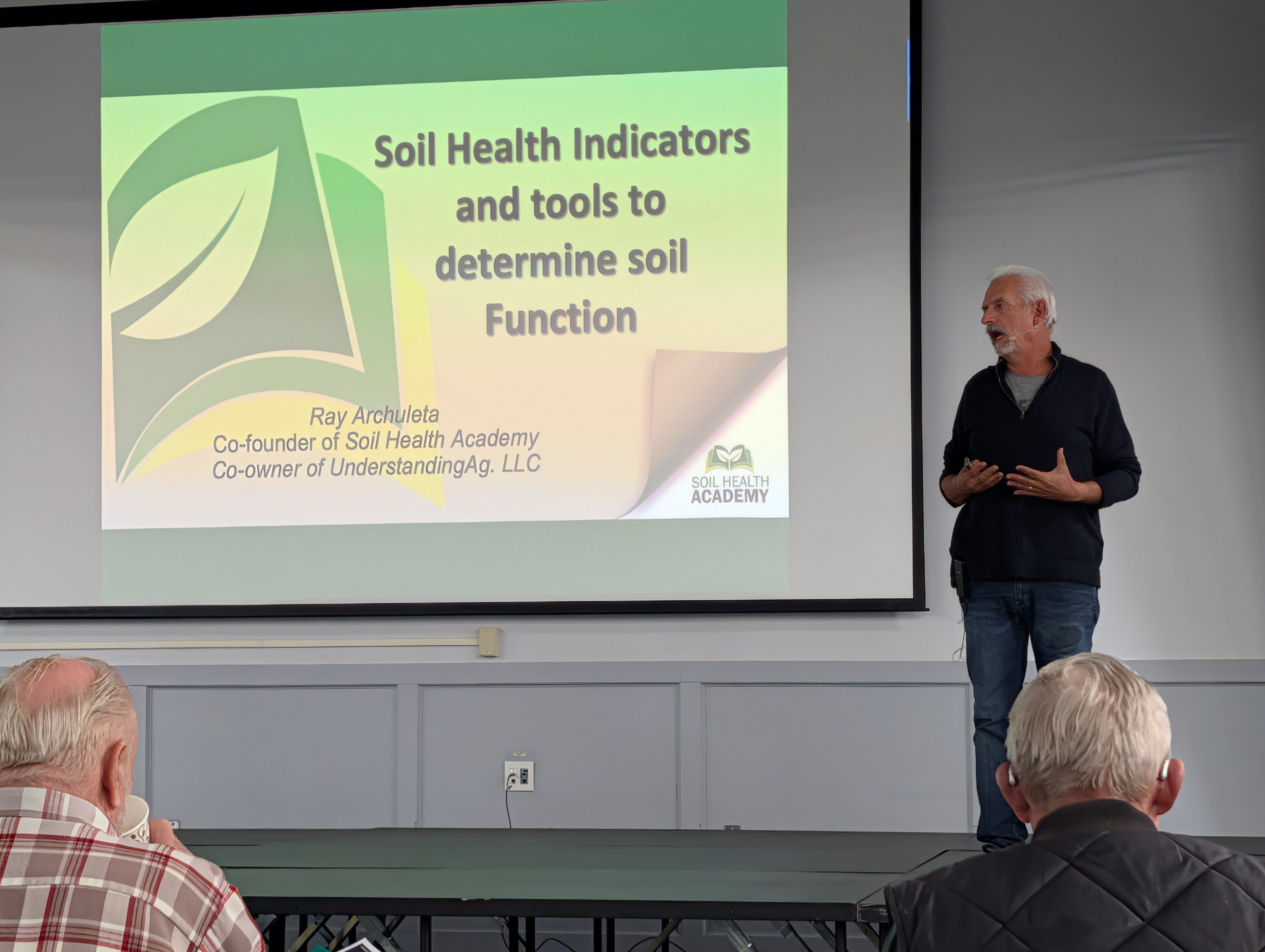
I’ve come to a meeting hosted by Ray Archuleta, one of the Kiss the Ground/Common Ground regen ag heroes that a lot of farmers follow on YouTube. Yes, I grow cocoa and vanilla in Belize, but the issues are the same if its corn/soy in this part of the world.
So while all the thought leaders gather in Belem, Brazil at yet another COP talkfest, farmers here are Getting Shit Done. With Shit. This cohort are the ones that are sick of paying bills to the fertilizer and seed companies, getting further into debt, arguing with their families and watching yields plummet and soils harden.
There was a lot of discussion about bacteria and fungi and stuff I will write about later, but what struck me them most was how a group of blokes in hoodies (and a few women) could talk about how the current method of farming is killing their farms and their families. And how they were figuring out another way of farming without the banks and seed and fertilizer companies. These are the people who are going to move the needle, not the agtech bros and their fundraising decks, who were conspicuously absent.
Farmers really do prefer to learn from farmers. People who have skin in the game, not people with promises. They’re learning like me from a bunch of hokey YouTube videos and WhatsApp groups. From questions and answers from the floor from people who made mistakes and aren’t afraid to admit it. There was a lot of skepticism about the ability of Technology to save us. Rather, it was getting a shovel and taking a look at the state of one’s soil, and using biology to improve things.
The two ladies sitting next to me farm 3,000 acres in northern Kansas with their family. They’re here because several of their family members died from Parkinson’s disease and they don’t want that for their grandkids, who they showed me pictures of on their phone. They don’t know me from Adam, but we swapped stories of turning dirt into soil, being able to sleep at night managing a mountain of debt and not worrying about putting a 250K combine into the side of a shed and having to tell the bank.
Most of them got into regenerative agriculture because of the economics, but confessed it was always about the ecology, seeing the pheasants come back, finding worm castings after rain, and being at peace walking around their farm.
Politics was not mentioned once. It was all about putting lungs back into the soil, repairing the mess of the last century of science and big ag and sharing mistakes made and lessons learned. Nobody was selling anything, nobody was posting to Tic Toc, nobody was pitching.
I have to admit I was completely overwhelmed meeting Ray Archuleta, who has been running these seminars for a couple of decades. I lived in Hollywood for 5 years and met a few stars along the way, but this is a guy who is transforming both the climate and people’s lives out of the back of a very large white Chevy truck and from a 150 acre farm in Missouri. Getting Shit Done. In a couple of days he may find some chocolate I gave him in the bottom of his backpack and remember this ranting Australian.
So despite the bad news coming out of agriculture in the US – farm debt, are we friends or enemies today with China or Brazil, farm debt (yes, again) – in the words of Margaret Mead “Never doubt that a small group of thoughtful, committed citizens can change the world. Indeed, it is the only thing that ever has.” And it’s certainly not the folks all gathered today having >$7 cocktails in Belem.
Love it, Ruth. Go to the source, and you always manage to find it. Initiative! Years ago my friend from NM would rail about the desolateness of US soil, that it's a mere whisper of its former self, and a huge problem for those who plant (and eat). For all I know, she could have been following Ray's initiatives back then, too late to ask her as she's no longer w/ us. My younger brother has a small organic farm (think I've mentioned it before) in NorCal and when he bought the land about 23 yrs ago he took me out to the wide acreage that would become orchards and dug in to this dark rich loam. "It's grade 1," he said (I think that's how soil is graded). He was so proud of it, and I'm proud of that too. Keep fighting the good fight! As I know you're in it for the looooong run.